
The courtroom may clear the innocent, but the media’s tribunal often condemns them forever.
by Willy Fautré*
*Introduction to the second session of the webinar “A Legal Victory, an Administrative Injustice: The 19th anniversary of Tai Ji Men Supreme Court Acquittal,” co-organized by CESNUR and Human Rights Without Frontiers on July 13, 2026.
An article already published in Bitter Winter on July 21st, 2026.

In democratic societies, and Taiwan falls into this category, the principle that every person is presumed innocent until proven guilty is considered a cornerstone of justice. Yet, in the age of instant news, social media, and 24-hour reporting, this principle is increasingly overshadowed by the speed and reach of public suspicions and accusations.
A person or an organization may ultimately achieve complete legal vindication in court after being falsely accused. Still, a legal victory in a courtroom is limited to a battlefield chosen by an enemy waging its war on several frontlines. Another frontline is the media, and legal prosecution can sometimes be a decoy to divert attention from the main theater of war, where the most destructive battle is in fact fought: the media. The place where the rule of the jungle prevails, where the rich and the powerful are the masters of the game, imposing their narratives.
In many cases, winning a lawsuit is only a legal success on one battlefield, but in the meantime, the battle for public reputation has already been lost.
The media tribunal
False accusations often generate enormous public interest. News organizations compete to break sensational stories first, while social media users amplify headlines without waiting for evidence or legal proceedings. Allegations spread rapidly because they are dramatic, emotionally charged, and easy to share once a person’s name becomes associated with criminal or unethical conduct, even if wrongly, as with Tai Ji Men, that association can become deeply embedded in the public consciousness.
The problem is not merely that accusations receive attention, but that later developments rarely receive equal treatment. Court proceedings can take months or years. By the time a judge dismisses the allegations or formally declares the accused innocent, the public has largely moved on. The legal decision may appear as a brief news item, buried deep inside a newspaper or mentioned in passing on a website. Many media outlets that devoted front-page headlines to the accusations provide only minimal coverage of the acquittal or exoneration.
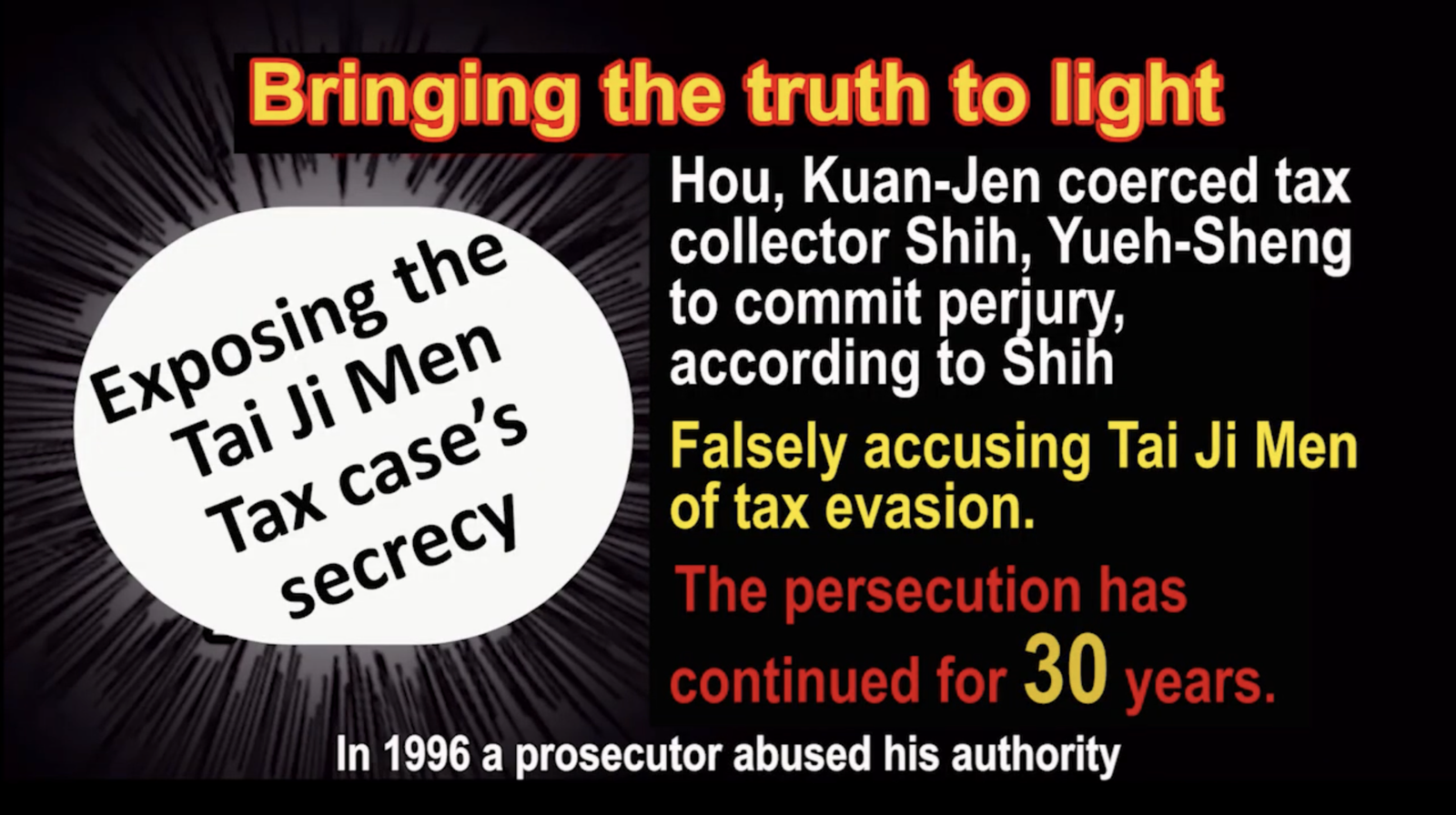
Media, eternal damage, and injustice
This imbalance creates a serious injustice. Reputation is one of the most valuable assets an individual possesses. Careers can be destroyed, businesses can fail, friendships may dissolve, and families often suffer immense emotional stress.
Tai Ji Men’s leaders and dizi have experienced these events.
Even after complete legal vindication, internet searches may continue to display old articles describing the accusations, while reports of the final judgment receive little visibility. The result is that many people remember the allegation but never learn the truth.
Psychologists have long observed that first impressions are remarkably persistent. Once people have formed an opinion, later corrections often have a limited impact. This means that a legal judgment, however decisive, may not erase the stigma created by extensive media exposure. In effect, the accused person has won the legal case but lost the broader struggle for public trust.
The media undoubtedly plays an essential role in informing society about matters of public interest. Reporting on criminal investigations and serious allegations can be legitimate and necessary. However, this responsibility should be matched by an equally strong commitment to reporting the outcome with comparable prominence. If accusations justify headlines, then acquittals and findings of innocence deserve similar visibility. Balanced reporting is not only a matter of journalistic ethics but also of fairness, a supreme value.
The digital era further complicates this issue. Online articles remain searchable for years, and sensational headlines continue to circulate long after they have become inaccurate. Some jurisdictions have introduced mechanisms allowing individuals to request the removal or de-indexing of outdated or misleading information, but these remedies remain limited and often difficult to obtain. The law can correct a judicial record, but it cannot rewrite public memory.
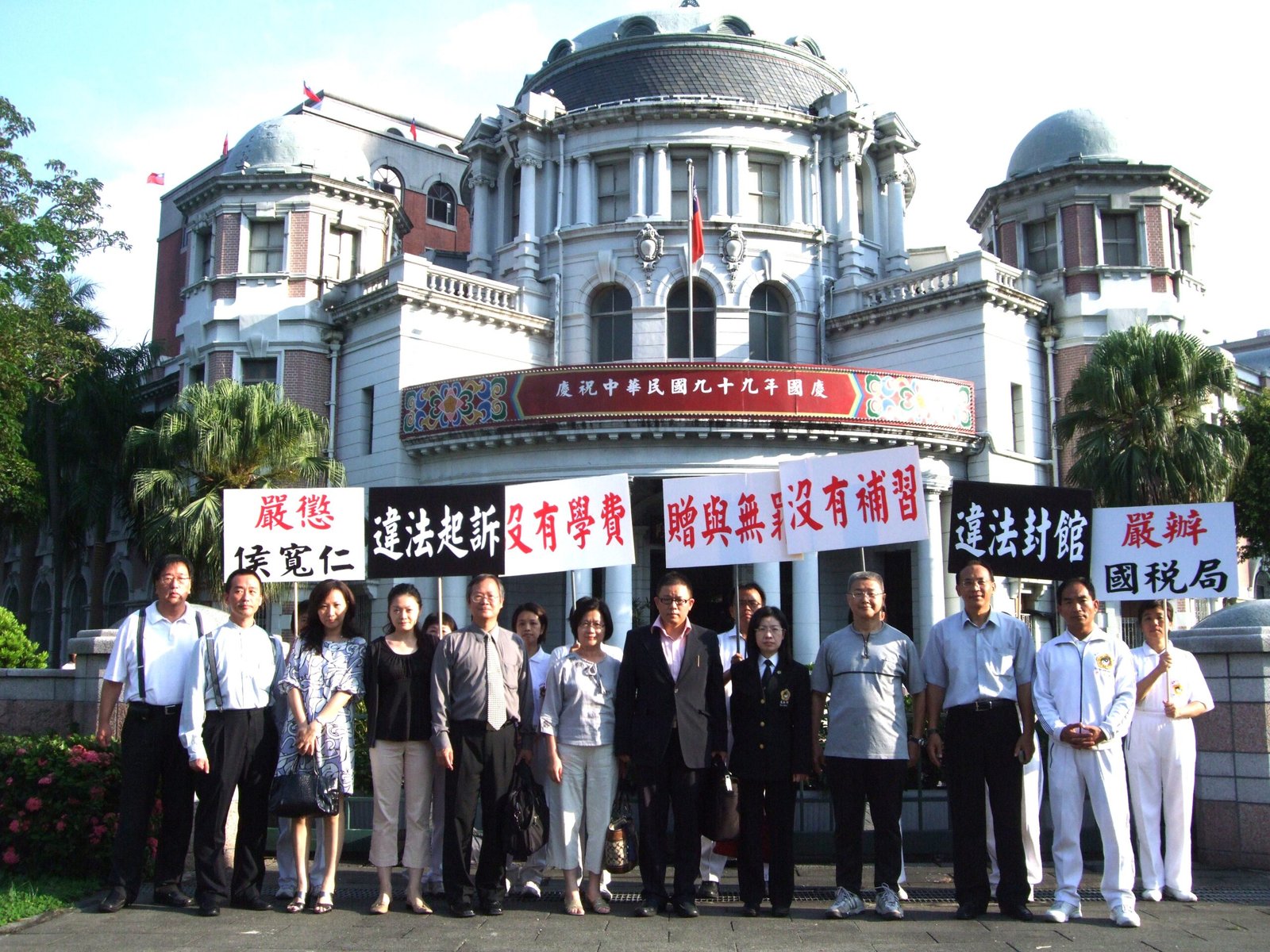
Ultimately, justice is more than a courtroom verdict. It also involves restoring the dignity, reputation, and standing of those who have been wrongly accused. A society that celebrates accusations but neglects exonerations risks creating a system in which legal innocence offers only partial relief. True justice requires that the public be informed not only when allegations are made, but also when they are proven false. Otherwise, a final legal victory may remain exactly that—a victory in a courtroom, but not in the court of global public opinion.
Our periodic webinars about Tai Ji Men are a sacred memorial to truth and a memory for the current and next generations.