
A new NGO filing at the Human Rights Council describes how victims face procedural barriers long after transitions to democracy.
by Massimo Introvigne
An article already published in Bitter Winter on August 24th, 2026.

A joint written statement filed on August 10 by two NGOs accredited with the United Nations Economic and Social Council (ECOSOC), Citoyens en action pour la démocratie et le développement (CADD) and the Coordination des Associations et des Particuliers pour la Liberté de Conscience (CAP-LC), is being circulated by the United Nations Human Rights Council. The document offers a reflection on the long journey victims of state violence undertake when truth emerges slowly and legal deadlines close quickly. It opens by observing that “victims of past state violence often discover that the transition to democracy did not end their struggle for justice,” and describes how archives open in fragments, witnesses speak only when fear recedes, and historical reconstruction advances step by step.
The NGOs report that societies emerging from authoritarian rule encounter a recurring dilemma. Transitional justice mechanisms often define a closed period of past abuses, while administrative and judicial systems impose short limitation periods for more recent violations. Victims of authoritarian‑era crimes may be told that their claims are too old. Victims of post‑authoritarian abuses may be told that their claims are too recent and should have been filed within a narrow window. The statement notes that “the law closes its doors before truth has fully emerged,” creating a tension between the slow rhythm of truth and the fast rhythm of procedural deadlines.
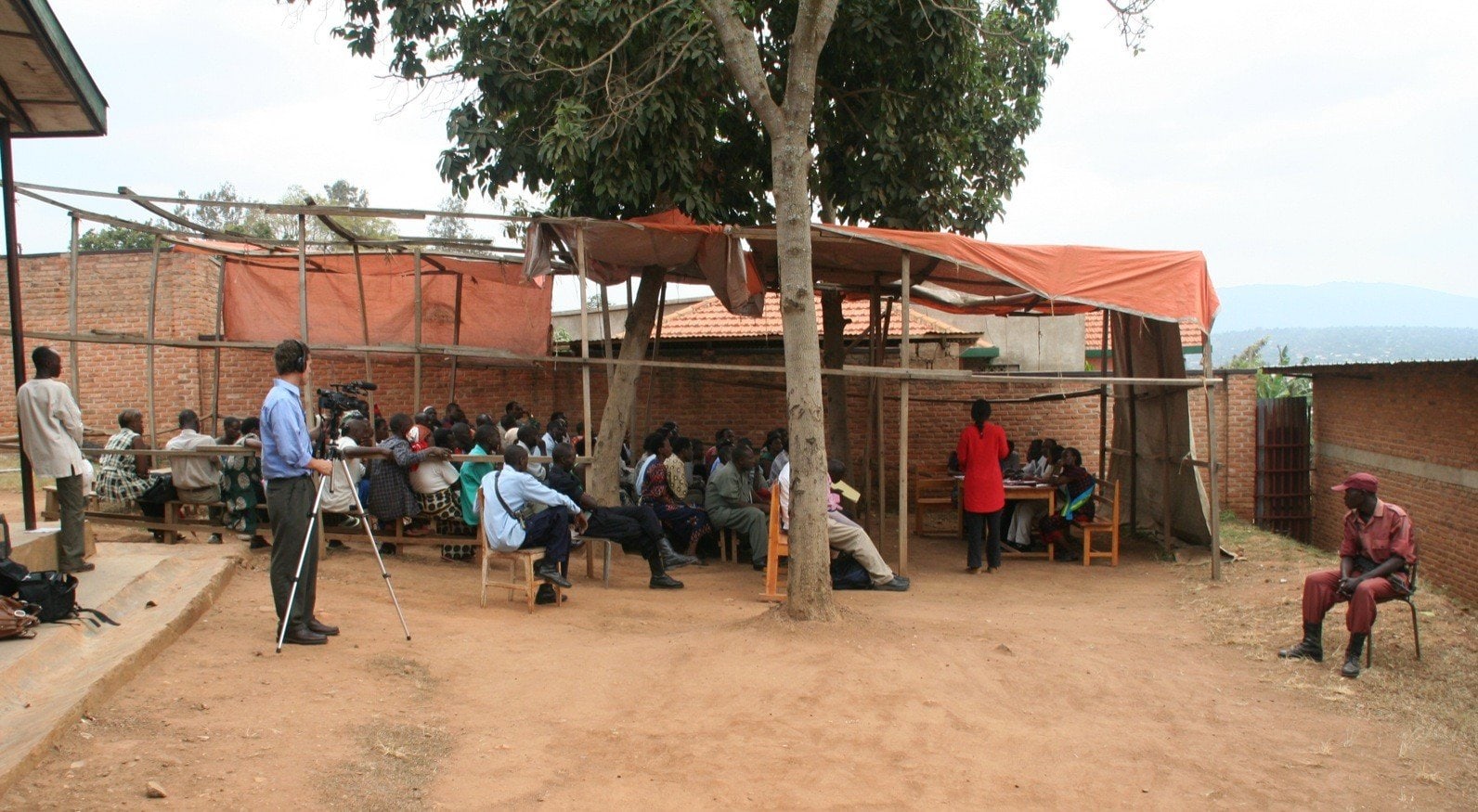
Examples from different regions illustrate the problem. Rwanda experienced years of instability after the 1994 genocide, and abuses committed after that year fell outside the temporal scope of transitional mechanisms. In Latin America, several states limited transitional justice to the years of military dictatorship, even though violence, disappearances, and unlawful repression continued during the early democratic period. Victims whose cases originated after the official end of authoritarian rule often found themselves excluded from truth commissions and unable to seek redress because their cases were deemed outside the accepted historical frame.
The NGOs argue that this situation contradicts the nature of state violence. Authoritarian regimes conceal evidence, destroy files, and intimidate witnesses. New facts often surface decades later through declassification, deathbed testimonies, or the discovery of previously unknown records. Limitation periods that expire before these facts appear create an institutional paradox. Victims are asked to prove their case within a timeframe controlled by the very state that committed the violations and withheld the evidence.
Download the full Written Statement in PDF.
The statement recalls that several democratic states have adopted special mechanisms allowing reopening of cases when new evidence emerges. Courts in the United States vacated wartime convictions of Japanese Americans forty years after the internment once suppressed intelligence reports were uncovered. Germany recognized that administrative acts violating fundamental rights during the Nazi and East German periods were void from the beginning and could be revoked without invoking legal certainty. Canada addressed abuses in indigenous residential schools through a national process that did not rely on ordinary limitation rules. These examples show that justice can be pursued decades later, provided legal systems acknowledge the particular nature of state violence.
In this global context, the NGOs draw attention to Taiwan. The island is not a member of the United Nations, yet it has incorporated the ICCPR and ICESCR into domestic law and undergoes periodic reviews by independent experts. During the most recent review, civil society organizations documented how certain administrative practices continue to affect victims of past abuses, including those whose cases originated in the post‑authoritarian period and even more recently.
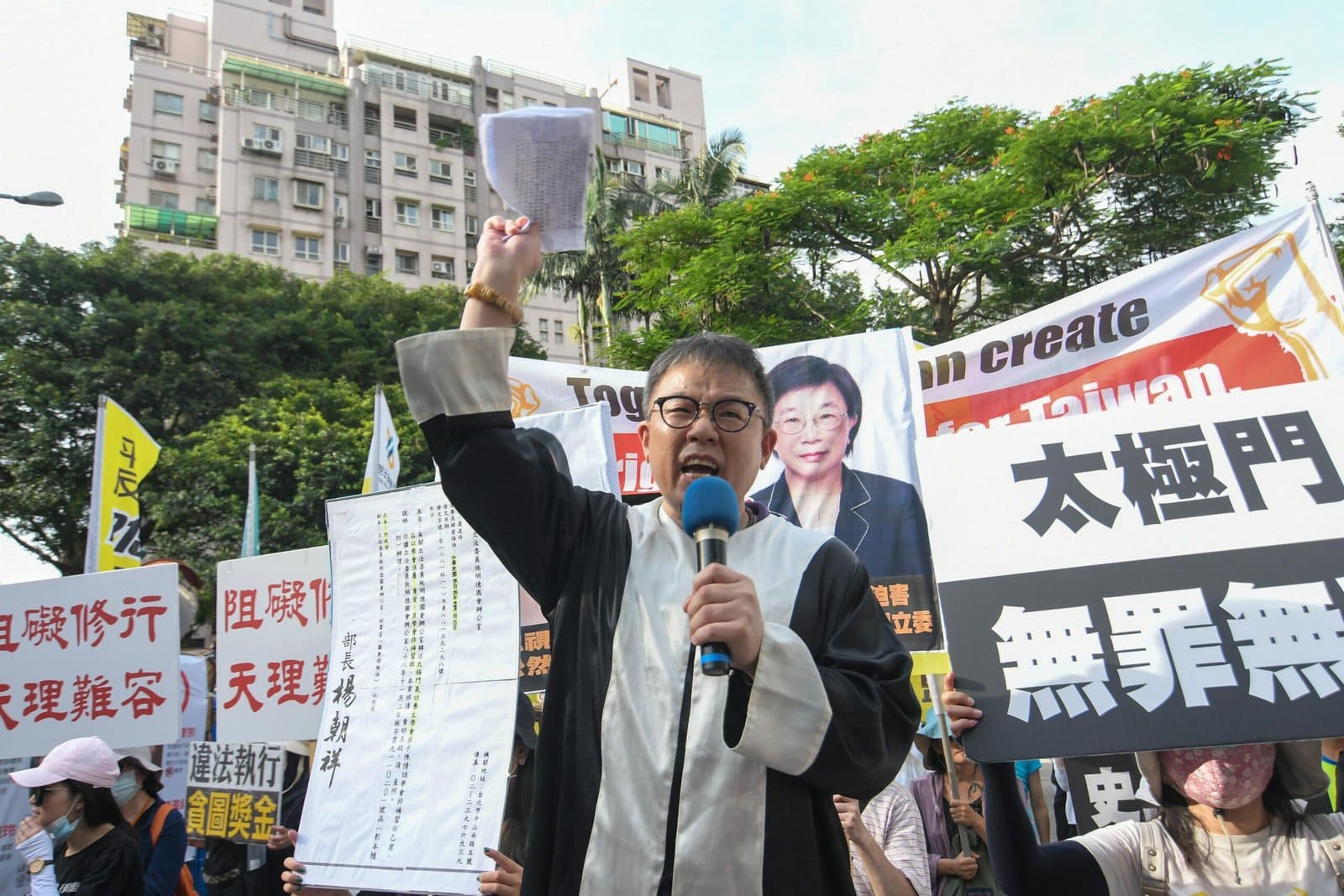
Among these cases, the Tai Ji Men case, often discussed at the Human Rights Council, remains one of the most emblematic. The events began in 1996, several years after the end of martial law and the lifting of authoritarian structures. The community faced criminal charges that were later dismissed, and the Supreme Court confirmed that the monetary gifts disciples offered their Master (Shifu) were non‑taxable. Tax authorities finally agreed to correct five of the six tax years to zero. One disputed year remained, and administrative authorities used the bill for that year to nationalize land intended for spiritual purposes.
New evidence has emerged over time, including testimonies and official findings that cast doubt on the legality of the original administrative actions. Authorities invoked strict limitation rules to prevent reopening the case. Key evidence emerged long past the five‑year deadline. Yet, it could not be introduced because the five‑year statute of limitations for a retrial under the Administrative Litigation Act had already expired. The NGOs state that this situation shows how procedural limits can prevent victims of post‑authoritarian abuses from obtaining redress even when the underlying acts were found to be unfounded or illegal.
The statement concludes that transitional justice and the revision of clearly abusive cases should not be confined to the years of authoritarian rule. Abuses committed during a democratic period deserve equal attention, particularly when they stem from institutional practices inherited from the past. Limitation periods should not bar victims from presenting new evidence that emerges through declassification, witness testimony, or new findings. Administrative agencies should have a duty to revoke illegal acts ex officio when substantive justice requires it, and victims should have an enforceable right to petition for redress when new facts emerge. The NGOs affirm that victims of authoritarian‑era abuses and victims of post‑authoritarian abuses share the same need: a path to justice that remains open until truth is fully known.