
From Mainland China, Japan, and Korea to the Tai Ji Men case in Taiwan, different categories of actors operate to reduce freedom of religion or belief.
Marco Respinti and Massimo Introvigne*
*A paper presented by Marco Respinti at the 8th Annual Conference of the East Asian Society for the Scientific Study of Religion (EASSSR), Kaohsiung, Taiwan, July 1, 2026.
An article already published in Bitter Winter on July 2nd, 2026.
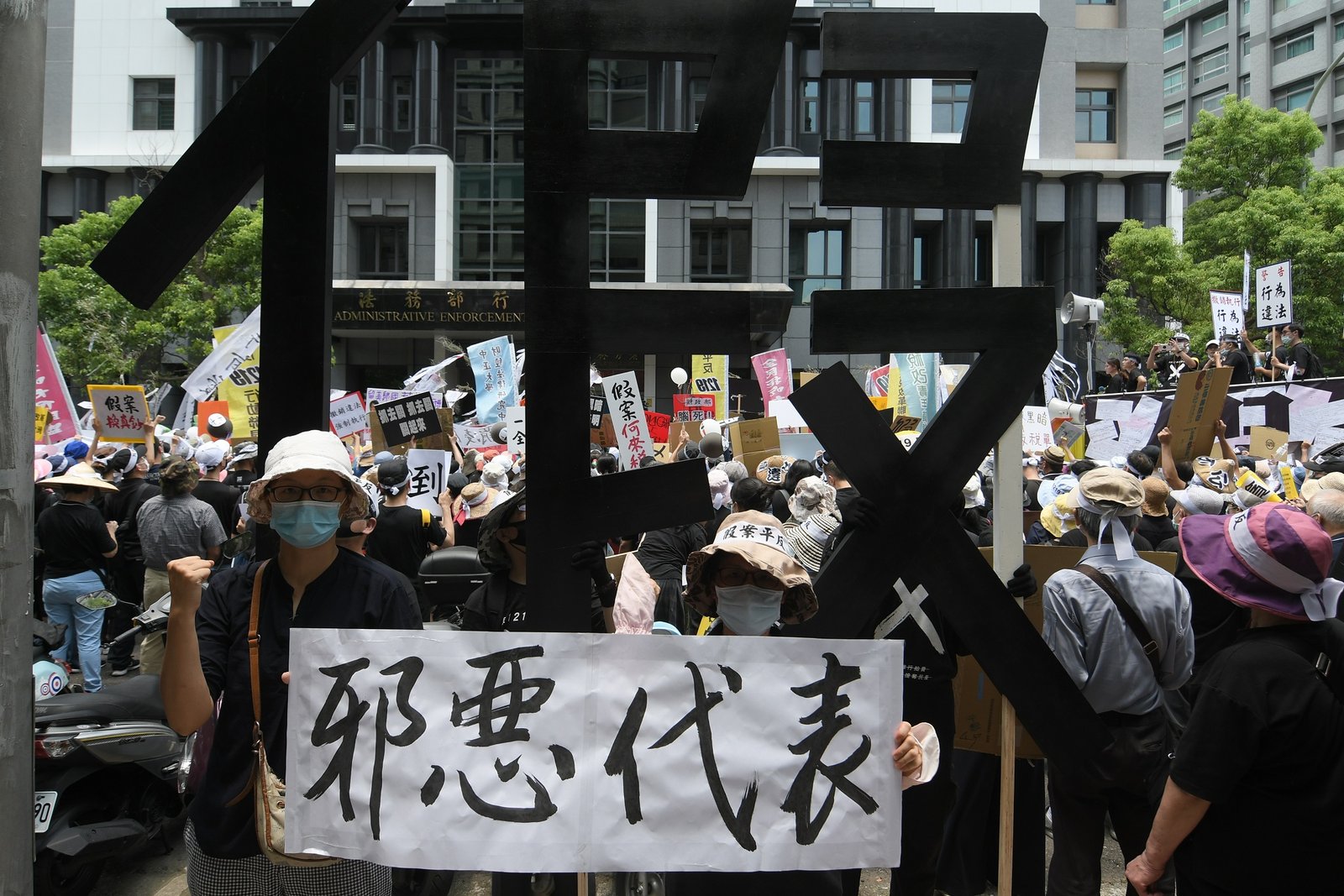
The contemporary landscape of religious liberty in Asia reveals a paradox that has become increasingly difficult to ignore. The attention of many observers is focused on a non-democratic regime, the People’s Republic of China (PRC), to which we also devote considerable attention through a daily magazine we have published since 2018, “Bitter Winter,” which publishes an article every day denouncing violations of religious liberty in the country. In contrast to the PRC, East Asia’s vibrant democracies emerge as beacons of freedom of religion. Indeed, East Asian democracies formally embrace constitutional neutrality and the protection of freedom of religion or belief. On the other hand, these same democracies often tolerate, and at times actively reproduce, mechanisms of delegitimization that disproportionately affect minority spiritual movements. This paper examines how such mechanisms operate, focusing on four categories of actors whose actions converge to erode religious liberty: secularist state bureaucracies, terrorist organizations invoking ideological or religious “purity,” majoritarian religious institutions that politicize faith, and anticult movements that weaponize the term “cult” as a tool of exclusion.
This dynamic takes distinctive forms in Taiwan, Japan, and South Korea, where the convergence of political discourse, media framing, and anti-cult activism has produced structural pressures on minority religious communities.
The first category of actors, states and their bureaucratic agencies, often present themselves as neutral arbiters of public order. Yet neutrality is frequently compromised by administrative cultures that privilege majoritarian norms or respond to media-driven moral panics. In Taiwan, the most emblematic example is the long-running Tai Ji Men case, which illustrates how bureaucratic inertia, political incentives, and anti-cult narratives can combine to produce a decadeslong violation of religious liberty. The Tai Ji Men movement, a menpai of qigong, martial arts, and self-cultivation, was targeted in 1996 through fabricated criminal accusations that courts later dismissed as entirely unfounded. Despite the complete acquittal of all defendants, including the Grand Master or Shifu, and the judicial recognition that no tax was ever owed, the National Taxation Bureau persisted in issuing tax bills based on the same disproven allegations. Subsequently, all tax bills were reduced to zero except the one for 1992. The subsequent seizure, unsuccessful auction, and nationalization of Tai Ji Men land in 2020, carried out under the pretext of the 1992 tax claim, constitute a paradigmatic case of administrative abuse. It demonstrates how a state apparatus can continue to inflict harm even after the judiciary has spoken with clarity.
The second category of actors—terrorist organizations invoking ideological or religious “purity”—operates differently but still contributes to the same climate of suspicion. Groups such as the different regional branches of ISIS and Aum Shinrikyo have committed atrocities that understandably provoke fear. Yet states and anti-cult activists often use their actions to justify sweeping restrictions on minority religions that bear no resemblance to violent extremism. The rhetorical conflation of peaceful spiritual movements with violent sects creates a discursive environment in which the term “cult” becomes a proxy for danger, even when no evidence of harm exists. This conflation is visible in Japan, where the 1995 Aum Shinrikyo sarin attack continues to shape public attitudes toward new religious movements.
After the assassination of former Prime Minister Shinzo Abe in 2022, the Unification Church became the target of an unprecedented campaign of political and media hostility. Because the assassin stated that he had acted to punish Abe for his support of the Unification Church, which had allegedly ruined his mother’s life through her excessive donations to the movement, the incident was reframed as evidence of the Church’s alleged social harm. The Japanese government initiated proceedings to dissolve the organization, citing the Aum Shinrikyo precedent and invoking a vague, expansive notion of “civil harm” that departs from established international standards. Scholars have noted that this approach risks creating a precedent whereby unpopular religious groups can be dissolved not for criminal wrongdoing but for perceived social influence. The dissolution, which has already been enforced despite an appeal to the Supreme Court, raises serious constitutional concerns, particularly regarding proportionality and the separation of state and religion. It also illustrates how anti-cult activism, amplified by media sensationalism, can shape state policy in ways that undermine democratic neutrality.
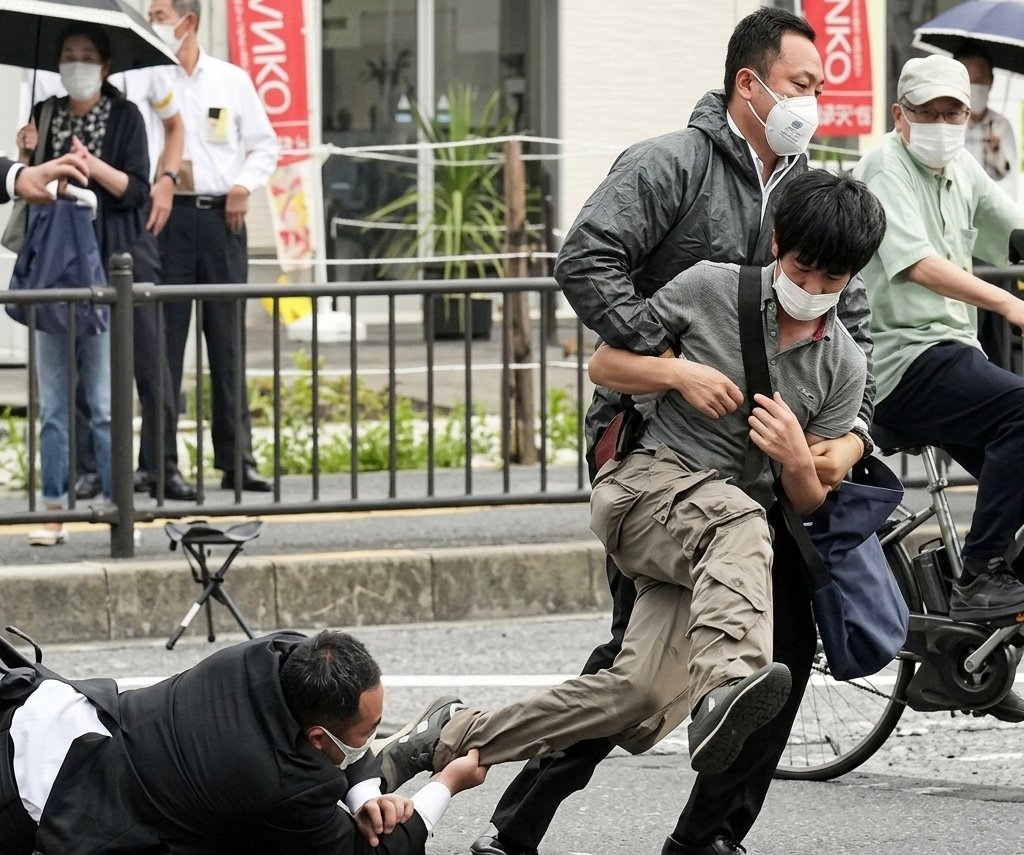
The situation is paradoxical when considering that members of Aum Shinrikyo carried out the 1995 crimes, while the Unification Church was a victim of the 2022 incident. The terrorist responsible for killing Abe aimed to punish him for supporting the Church but also to provoke public outrage and legal action against the organization. In this way, he emerged as one of the most successful terrorists in history.
The third category of actors, majoritarian religious institutions, plays a crucial role in shaping the boundaries of acceptable religion. South Korea presents a distinct pattern in this respect. The COVID19 pandemic provided an opportunity to target the Shincheonji Church of Jesus, which was blamed for the early spread of the virus in Daegu. Although subsequent investigations found no wrongdoing, and later the Supreme Court concluded that the Church had not violated any COVID-related regulation, Shincheonji was subjected to raids, arrests, and public vilification. The mayor of Seoul filed a criminal complaint seeking to dissolve the movement, and media outlets portrayed Shincheonji as a threat to public health and national security. The pandemic thus became a pretext for reviving longstanding anti-cult narratives, which depict Shincheonji as manipulative, secretive, and socially dangerous. These narratives have been used to justify coercive “deprogramming” practices, which continue despite international condemnation. The South Korean case demonstrates how crises—whether pandemics or political scandals—can be instrumentalized to intensify pressure on minority religions.
The Shincheonji COVID crisis revealed the influence of majoritarian religious institutions, particularly conservative Protestant churches, which have long viewed Shincheonji as a theological competitor and have supported anticult campaigns aimed at delegitimizing it. In many Asian societies, dominant religious traditions enjoy close relationships with political elites, which can lead to the marginalization of minority movements. In Japan, established Buddhist and Shinto institutions have historically influenced state policy on religion, although they are less influential today. In South Korea, large Protestant denominations have mobilized against groups they consider heretical and are supporting the current campaign of President Lee against the Unification Church and Shincheonji, whose leaders are now both detained, based on their alleged illegal political activism. In Taiwan, while the religious landscape is more pluralistic, certain Buddhist and Christian organizations have supported anticult narratives that stigmatize groups perceived as unconventional. These institutions often frame their interventions as protecting society from harmful or deviant movements, but their actions frequently reflect theological rivalry or political alignment rather than objective assessments of harm.
The fourth category of actors—the anticult movement—plays a particularly significant role in shaping public discourse and administrative practice. The term “cult,” as scholars have repeatedly demonstrated, lacks scientific validity and has largely been abandoned in the scholarly study of religion, at least in Europe and the United States, although a tiny academic minority that supports the “cult” rhetoric still exists. Yet it persists in media narratives, political rhetoric, and bureaucratic decision-making, where it functions as a label of moral panic and social contamination. The persistence of this label is not accidental. It serves a sociopolitical function: to mark certain groups as illegitimate, dangerous, or unworthy of full constitutional protection.
The anti-cult movements serve as the connective tissue linking state bureaucracies, media narratives, and majoritarian religious institutions. Anticult activists present themselves as experts on dangerous “cults,” yet their methods lack scientific rigor, and their claims often rely on anecdotal evidence or sensationalized accounts. The term “cult,” as used by these activists, functions less as a descriptive category than as a moral judgment. It marks certain groups as illegitimate, irrational, or socially harmful, thereby justifying extraordinary measures against them. Scholars have repeatedly demonstrated that the anticult movement’s conceptual framework is incompatible with the academic study of religion, which emphasizes empirical analysis and rejects stigmatizing labels. Yet anticult discourse continues to influence public policy, particularly in democratic states where political actors seek to demonstrate responsiveness to public fears.
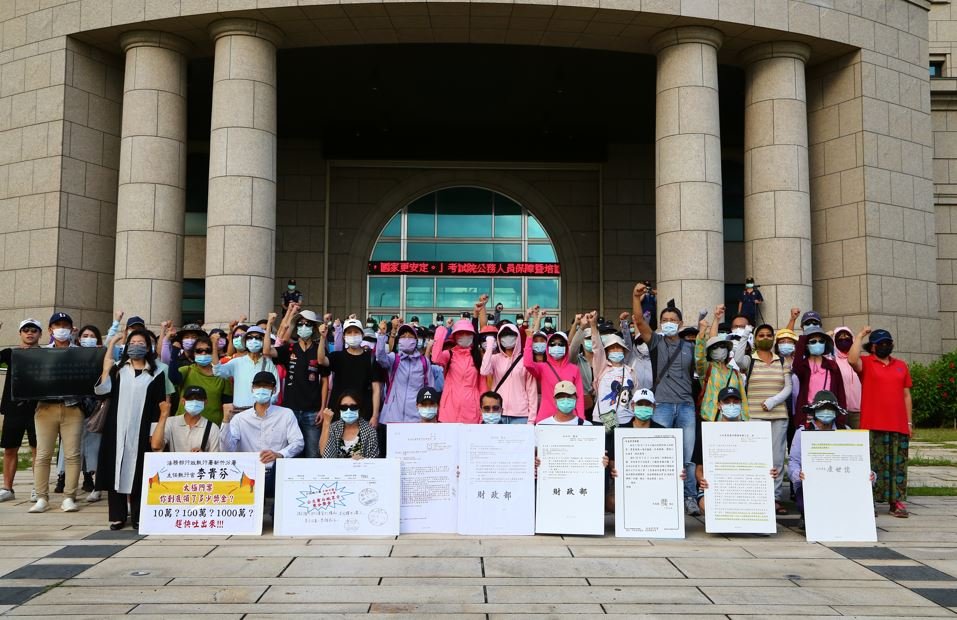
Taiwan offers a particularly instructive case study of how these dynamics operate within a democratic context. The Republic of China’s constitution guarantees freedom of religion, and Taiwan is widely praised for its pluralism. Yet the Tai Ji Men case reveals the fragility of these protections. The persistence of illegitimate tax claims, despite clear judicial rulings, demonstrates how administrative agencies can act autonomously from constitutional principles when groups are stigmatized as socially harmful. The case illustrates how “cult” narratives can shape bureaucratic behavior. The stigmatization of Tai Ji Men as a suspicious or deviant group created an environment in which administrative abuse became politically acceptable even after courts had declared the group innocent of all charges. The dynamic exemplifies what may be called the “administrative afterlife” of moral panic: once a group is stigmatized, the stigma persists long after the original accusations have been disproven.
The Tai Ji Men case raises serious questions about the effectiveness of constitutional safeguards in protecting minorities from bureaucratic overreach. It also highlights the need for tax and legal reform to ensure that administrative agencies respect judicial decisions and adhere to principles of neutrality.
The convergence of political rhetoric, media sensationalism, the influence of hegemonic religions, and anticult narratives creates structural pressures that threaten the effective protection of freedom of religion or belief.
The cases examined here reveal how the erosion of religious liberty in East Asia’s democratic countries emerges from patterns deeply rooted in the functioning of their institutions. Constitutional guarantees exist on paper, yet their practical application often falters, creating gaps that minority religions experience with particular intensity. Democratic neutrality becomes meaningful only when authorities remain attentive to the subtle forms of delegitimization circulating in public discourse and shaping administrative behavior. The label “cult,” although devoid of scientific standing, continues to operate as a convenient tool for exclusion. Its circulation in political arenas and media narratives weakens the principle of equality before the law and opens the door to administrative practices that place certain communities at risk. Taxes, as demonstrated by the Tai Ji Men case, are weaponized against minorities targeted by certain political sectors and by rogue bureaucrats.
The challenge, therefore, is to develop a more robust understanding of freedom of religion or belief—one that does not deny the possibility of real abuses, of which groups within both mainline and new religions are sometimes responsible, but recognizes the dangers of stigmatizing labels and the structural pressures that spiritual minorities face, including those from tax bureaucrats. This requires a critical examination of the actors who shape public discourse, from state bureaucracies to anti-cult activists. It also requires a renewed commitment to constitutional principles, including the protection of unpopular or unconventional beliefs. Addressing this problem is essential not only for the protection of spiritual minorities but for the integrity of democratic governance itself.