
Natural disasters and political campaigns may both lead the media to slander groups that the powers that be do not like.
Stefania Cerruti*
*A paper presented at the webinar “Media Bias Against Spiritual Minorities and the Tai Ji Men Case,” co-organized by CESNUR and Human Rights Without Frontiers on May 4, 2026, after the United Nations World Press Freedom Day (May 3).
An article already published in Bitter Winter on May 6th, 2026.
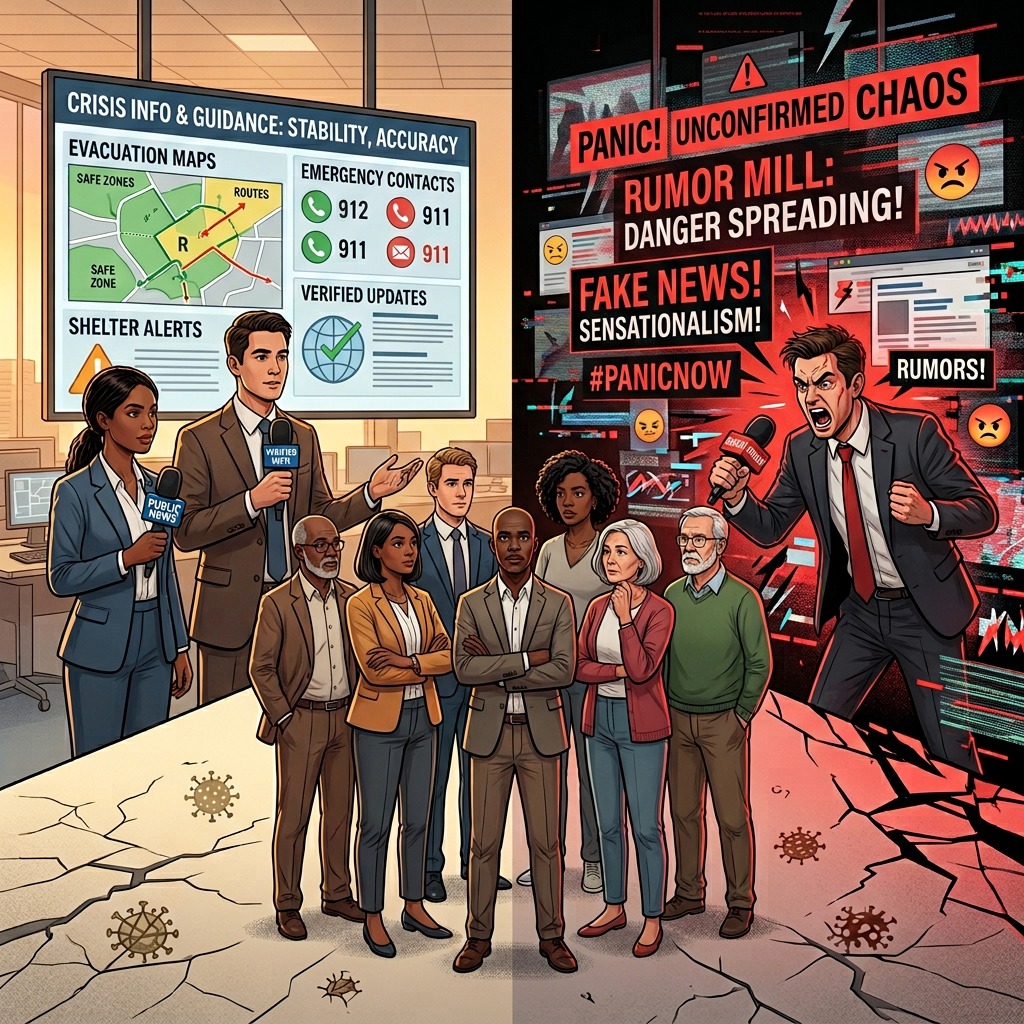
In disaster management, we often say that information can save lives. However, we also know that when information is distorted, sensationalized, or used as a weapon, it can cause harm equal to—or greater than—the disaster itself. The media play a central role in this balance. They can be a lifeline, offering timely warnings, practical guidance, and reassurance. Yet, they can also heighten fear, spread misinformation, and create convenient villains when societies seek someone to blame. Today, I want to reflect on this dual role and the responsibility that journalists, editors, and public communicators have when engaging with vulnerable communities, including religious and spiritual minorities.
In every major disaster, whether earthquakes or pandemics, the media becomes the primary lens through which the public interprets events. This is not necessarily negative. In fact, effective communication is vital for reducing disaster risk. When the media act responsibly, they help people understand risks, adopt protective actions, and maintain social cohesion. They can counter rumors, correct falsehoods, and highlight the needs of affected populations. They can also hold authorities accountable when responses are insufficient or discriminatory.
However, disasters create uncertainty, and uncertainty breeds fear. Fear, in turn, leads to a demand for simple explanations and clear culprits. This is where the media’s role becomes more complex—and riskier. In moments of crisis, the urge to assign blame is powerful, and the media can become a channel through which entire groups are stigmatized. This pattern is not new. Throughout history, epidemics, fires, floods, and social upheavals have been accompanied by narratives blaming minorities for causing or worsening the crisis. What changes over time is not the mechanism, but the speed and scale of these narratives.
The COVID-19 pandemic starkly illustrated this dynamic. Worldwide, religious minorities faced accusations of spreading the virus, even when they adhered to the same rules—or lack of rules—as everyone else. In several countries, religious gatherings were labeled as uniquely irresponsible, while equally large secular events were treated with more leniency. In some instances, the accusations stemmed from misunderstandings; in others, they arose from existing prejudices that the pandemic activated. It is essential to note that the virus did not create hostility toward these groups. It merely provided an opportunity for that hostility to emerge more openly, often fueled by sensationalist headlines and social media.
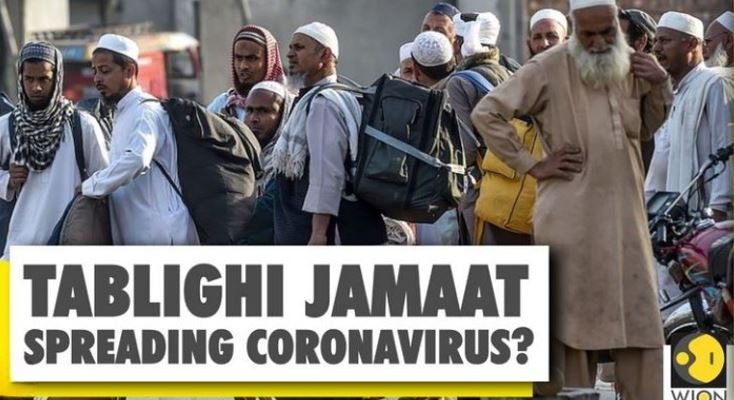
From a disaster-management perspective, this scapegoating is counterproductive. It erodes trust, hampers cooperation, and distracts from underlying issues in emergency preparedness. From a human rights perspective, it is even more concerning. When the media depict a minority as dangerous, irrational, or socially harmful, the consequences extend well beyond the crisis. Members of these groups may encounter discrimination in the workplace, bullying in schools, harassment in public spaces, and long-term reputational damage. In extreme cases, they may even become targets of violence.
This leads me to the second part of my reflection: the parallels between media behavior during disasters and their conduct during political campaigns against unpopular groups. Although the contexts differ, the mechanisms are surprisingly alike. When a government or faction seeks to marginalize a community, the media can become a tool—sometimes willingly, sometimes unknowingly—of that marginalization. Narratives are constructed, repeated, and amplified until they embed themselves in public consciousness. Once a group is labeled as suspicious or harmful, every action it takes is viewed through that lens.
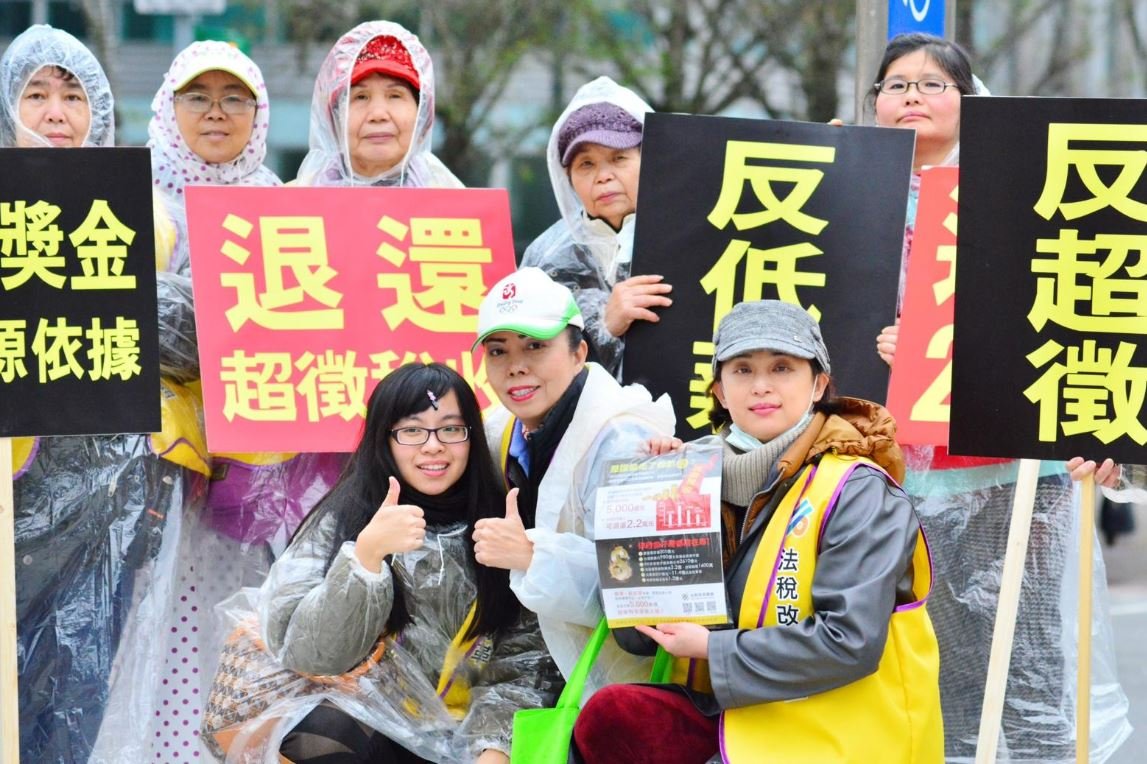
The experience of Tai Ji Men in Taiwan is a clear example of this process. After the fabricated criminal case began in 1996 and the leader of Tai Ji Men, his wife, and two dizi (disciples) were detained, a wave of media coverage ensued. Hundreds of articles emerged, many repeating unverified claims or presenting speculation as fact. Instead of exercising caution, media outlets often embraced sensationalism. They portrayed Tai Ji Men as a threat, not because of evidence, but because the political environment encouraged such portrayals. The result was predictable: ordinary members of Tai Ji Men faced discrimination, social exclusion, and bullying. Children were ridiculed in schools. Adults were regarded with suspicion in their workplaces and communities. The damage caused by this media campaign did not cease when the courts eventually cleared Tai Ji Men of all charges. The stigma persisted, as once a narrative takes hold, it is challenging to erase.
From the disaster communication perspective, the Tai Ji Men case resembles what occurs when a minority is scapegoated during a natural disaster. In both situations, the media amplify fear rather than alleviate it. They simplify complex realities into emotionally charged narratives. They create an “us versus them” environment that damages social cohesion. And they overlook the long-term harm caused by irresponsible reporting.
What can we learn from these patterns? First, the media possess immense power in shaping public perception during crises—whether those crises are natural, health-related, or political. Second, this power must be exercised responsibly, especially when vulnerable groups are involved. Third, the public also needs to develop media literacy, learning to differentiate between evidence-based reporting and narratives fueled by fear or bias.
The COVID-19 pandemic and the Tai Ji Men case may seem unrelated at first glance. Still, they reveal the same underlying truth: when the media scapegoats minorities, the consequences are significant and lasting. Whether the context is a public health emergency or a fabricated tax evasion and fraud case, the mechanism and the resulting harm are the same. As someone who works in disaster management, I have seen how crucial accurate, fair, and responsible communication is for protecting lives and maintaining social harmony. The media can be a force for good—but only if they choose to be.
In conclusion, I hope that the lessons from these experiences encourage all of us—professionals, citizens, and institutions—to demand higher standards from our media landscape. Disasters will continue to occur, and political tensions will remain. But scapegoating and slander are not inevitable. They are choices. The resilience of Tai Ji Men in the face of persecution and slander teaches us that by choosing responsibility, conscience, and truth, we can create a society that responds to crises without sacrificing justice or human dignity.